Transform Your Style: The Complete Manual to Hair Extensions
Hair extensions have emerged as a well-liked choice for those endeavoring to enhance their style. They offer flexibility and a chance to sample different looks. However, settling on the right type and installation method can be burdensome. Grasping the complexities of various extensions is fundamental. This guide will elucidate the options and impart vital tips, ensuring users can make informed choices about their hair transformation. The journey to a revamped appearance holds more than just surface changes.
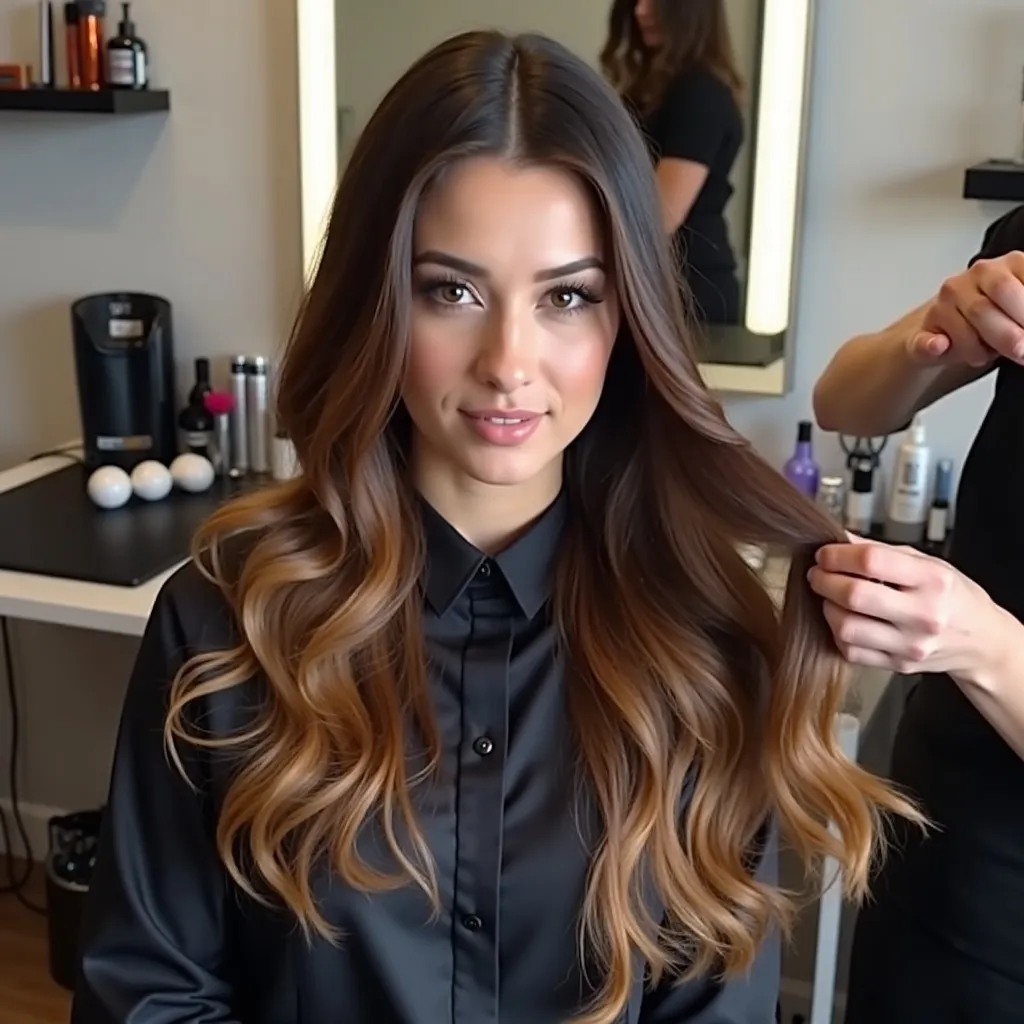
Understanding Different Types of Hair Extensions
Hair extensions are available in various types, each designed to achieve diverse appearances and aesthetics. The most common types include clip-in, tape-in, and sew-in extensions. Clip-in options provide a short-term fix, enabling individuals to enhance their hair rapidly and conveniently. They are ideal for those who prefer flexibility and ease. Tape-in options, on the other hand, provide a more long-lasting solution, attached using bonding strips that blend seamlessly with natural hair. This type is favored for its lightweight feel and authentic look. Sew-in options demand a more involved application process|intricate application method, where natural hair is braided, and wefts are stitched in. This technique provides durability and is suitable for individuals with thicker hair. Each type caters to varied tastes, financial considerations, and maintenance levels, making it essential for individuals to understand their options before Hair extensions come in multiple types, each intended to produce different looks and styles. The most common options consist of clip-in, tape-in, and sew-in extensions. Clip-in products deliver a short-term option, enabling users to enhance their locks quickly and easily. They are perfect for those who prefer versatility and convenience. Tape-in extensions, on the other hand, offer a more semi-permanent solution, bonded with bonding strips that merge flawlessly into natural hair. This type is preferred for its lightweight feel and natural appearance. Sew-in extensions require a more complex application process, where natural hair is plaited, and wefts are stitched in. This similar resource method offers durability and is appropriate for individuals with fuller hair. Each type caters to different preferences, budgets, and upkeep requirements, making it Hair extensions come in various options, each designed to create diverse appearances and aesthetics. The most common options consist of clip-in, tape-in, and sew-in extensions. Clip-in products provide a short-term option, enabling individuals to improve their hair quickly and easily. They are ideal for those who prefer flexibility and ease. Tape-in products, on the other hand, present a more semi-permanent solution, attached using adhesive strips that blend seamlessly with natural hair. This type is favored for its light sensation and natural appearance. Sew-in extensions require a more involved application method, where natural hair is braided, and wefts are sewn in. This method offers longevity and is suitable for individuals with thicker hair. Each type caters to different preferences, budgets, and maintenance levels, making it essential for individuals to comprehend their choices before making a selection.
Choosing Hair Extensions According to Your Hair Type and Preferred Look
Picking the best hair extensions necessitates careful consideration of both hair type and the preferred appearance. Different hair types—straight, wavy, or curly—call for certain extension textures to ensure a seamless integration. For fine hair, lightweight options like tape-ins or clip-ins are excellent, as they provide volume without dragging hair down. In contrast, thicker hair types can carry heavier extensions, such as wefts or fusion bonds.
The preferred look also is quite important. Those seeking length may choose long, straight extensions, while people seeking volume might select shorter, layered styles. Color matching is essential; extensions should blend naturally with the wearer's hair for a unified appearance. Additionally, the maintenance level of the chosen extensions should align with the individual's lifestyle. By carefully analyzing hair type and desired outcome, one can choose extensions that enhance their overall appearance while guaranteeing comfort and style.
The Method of Applying Hair Extensions: Clip-ins, Tape-ins, and More
Applying hair attachments can transform a look in just a few minutes, with different methods at your disposal to accommodate varied preferences and proficiency levels. Clip-in extensions rank among the most well-liked choices owing to their simplicity; they can be connected and detached quickly without any threat to natural hair. Users simply divide their hair, clip the extensions in place, and harmonize them for a seamless look.
Tape-in extensions offer a more durable solution, bonding to your hair with a special adhesive. This method requires a bit more skill and is often best installed by a professional, guaranteeing a secure hold that remains several weeks.
Alternative approaches include sew-in wefts, which require braiding natural hair and stitching the extensions in, and fusion extensions, where strands are bonded with a keratin adhesive. Each method has its own benefits, allowing individuals to choose according to their lifestyle and desired results.
Important Maintenance Tips for Extended Extension Durability
Taking care of hair extensions demands a regular schedule to guarantee their longevity and appearance. Frequent cleansing, proper drying methods, and minimizing heat exposure are essential practices. Following these guidelines can greatly enhance the lifespan of extensions.
Standard Cleaning Routine
Creating a regular cleansing routine is essential for maintaining the quality and appearance of hair extensions. To keep their shine and softness, experts suggest washing extensions once every 7 to 10 days, based on individual lifestyle and exposure to styling products. It is important to use shampoos and conditioners without sulfates specifically formulated for hair extensions, as these formulas help preserve moisture without causing damage. Before washing, carefully detangle the hair to prevent breakage. When applying shampoo, focus on the roots and avoid excessive rubbing; a soft, downward stroke is most effective. Rinsing completely ensures that no product residue lingers, which can lead to buildup. Following these steps helps keep hair extensions looking fresh and vibrant for an extended period.
Optimal Evaporation Techniques
After cleaning hair extensions, correct drying techniques play a major role in their longevity and appearance. It is crucial to gently blot the extensions with a microfiber towel to absorb excess water, avoiding rough rubbing that may cause tangling or damage. Hanging the extensions to air dry is recommended, as this helps retain their natural shape and reduces the chance of frizz. If faster drying is required, using a low-speed fan can provide effective airflow without applying direct heat. It is important to keep extensions away from direct sunlight, which might cause fading. Using these techniques ensures hair extensions stay vibrant and healthy for a longer time.
Circumvent Heat Damage
To preserve the appearance and integrity of hair extensions, it is essential to avoid heat damage. Excessive heat can harm the connections and cause early wear. To reduce this risk, it is recommended to apply heat protectant sprays before styling. Additionally, using lower temperature settings on styling tools can decrease the risk of damage. Regular application of curling wands or flat irons should be approached cautiously; restricting their use to special occasions is wise. Furthermore, air-drying extensions rather than blow-drying can significantly enhance their longevity. Lastly, integrating deep conditioning treatments into the care routine aids in keeping the extensions hydrated, ensuring they stay vibrant and healthy. By following these practices, users can effectively extend the lifespan of their hair extensions.
Artistic Styling Tips for Hair Extensions
While hair extensions are often viewed as a instrument for extending locks, they can also serve as a medium for creative styling. One common method is to play with braiding techniques, enabling for complex designs that blend seamlessly with natural hair. Adding colorful extensions can provide a lively pop, ideal for those seeking a striking statement without permanent commitment.
For a more sophisticated appearance, layering extensions can build volume and dimension, elevating updos or loose waves. Furthermore, styling with clips, ribbons, or blooms can elevate any style, making it unique and personal.
Sporting extensions in half-up styles can also display both natural and added hair, enabling flexibility in everyday looks. In conclusion, experimenting with various partings and textures can significantly transform one's appearance, showcasing the infinite potential of extension hair in producing a new, fashionable identity.
Regular Pitfalls to Evade With Hair Extensions
Hair extensions have the power to elevate a hairdo, yet improper application may cause various pitfalls. One common mistake is choosing the wrong form of extensions for one’s natural hair and color, resulting in an inauthentic style. Improper placement can also harm natural hair, especially when the extensions are too thick or applied too tightly. Another frequent mistake involves neglecting maintenance; washing and conditioning regularly are crucial to maintain both extensions and natural hair well cared for. Consulting a professional stylist is often overlooked, increasing the risk of poor placement and styling methods. Ultimately, neglecting to remove extensions at the proper time may lead to tangling and breakage. By avoiding these mistakes, individuals can enjoy beautiful, long-lasting hair extensions without compromising the health of their natural hair.
Frequently Posed Questions
Do Hair Extensions Cause Damage to My Real Hair?
Hair extensions might potentially damage natural hair if put in incorrectly or left in extended periods. The heaviness and pull from extensions can lead to breakage, thinning, or traction alopecia if not maintained with attention.
How long do hair additions typically last?
Hair extensions commonly last between 6 to 12 weeks, determined by the type and application method. Consistent upkeep and treatment can extend their lifespan, but individual factors like hair type and usage also play significant roles.
Are Hair Extensions Suitable for All Hair Types?
Hair extensions may be appropriate for multiple hair types, but individual compatibility often relies on texture, thickness, and condition. Speaking with a professional stylist ensures the best choice for achieving desired results without damage.
What Is the Best Way to Extract Hair Extensions?
To securely extract hair extensions, one should gently detangle hair, use a proper dissolving agent or moisturizer, and methodically weaken adhesive bonds. It's advisable to seek professional assistance for advanced procedures, ensuring minimal damage to natural hair.
May I color or style My Extensions like Natural Hair?
Yes, hair pieces can be dyed and arranged in the same way as natural hair, provided that they are made from real hair. However, it's important to use proper products and techniques to sustain their condition and durability.
Comments on “Why Choose Infinitude Hair for Premium Hair Extensions”